“Tick Bites - Act Fast & Test”
Lyme disease and other tick-borne illnesses are a growing concern, especially as warmer weather brings more time outdoors. At Summit Direct Care, we want our patients to feel informed, prepared, and supported. If you find a tick attached to your skin, it’s important to act quickly: remove it carefully, save the tick, and send it to TickReport.com for analysis. Just as importantly, call us right away—even after hours or on weekends—so our on-call clinician can guide you on next steps. Early action can significantly reduce the risk of complications.
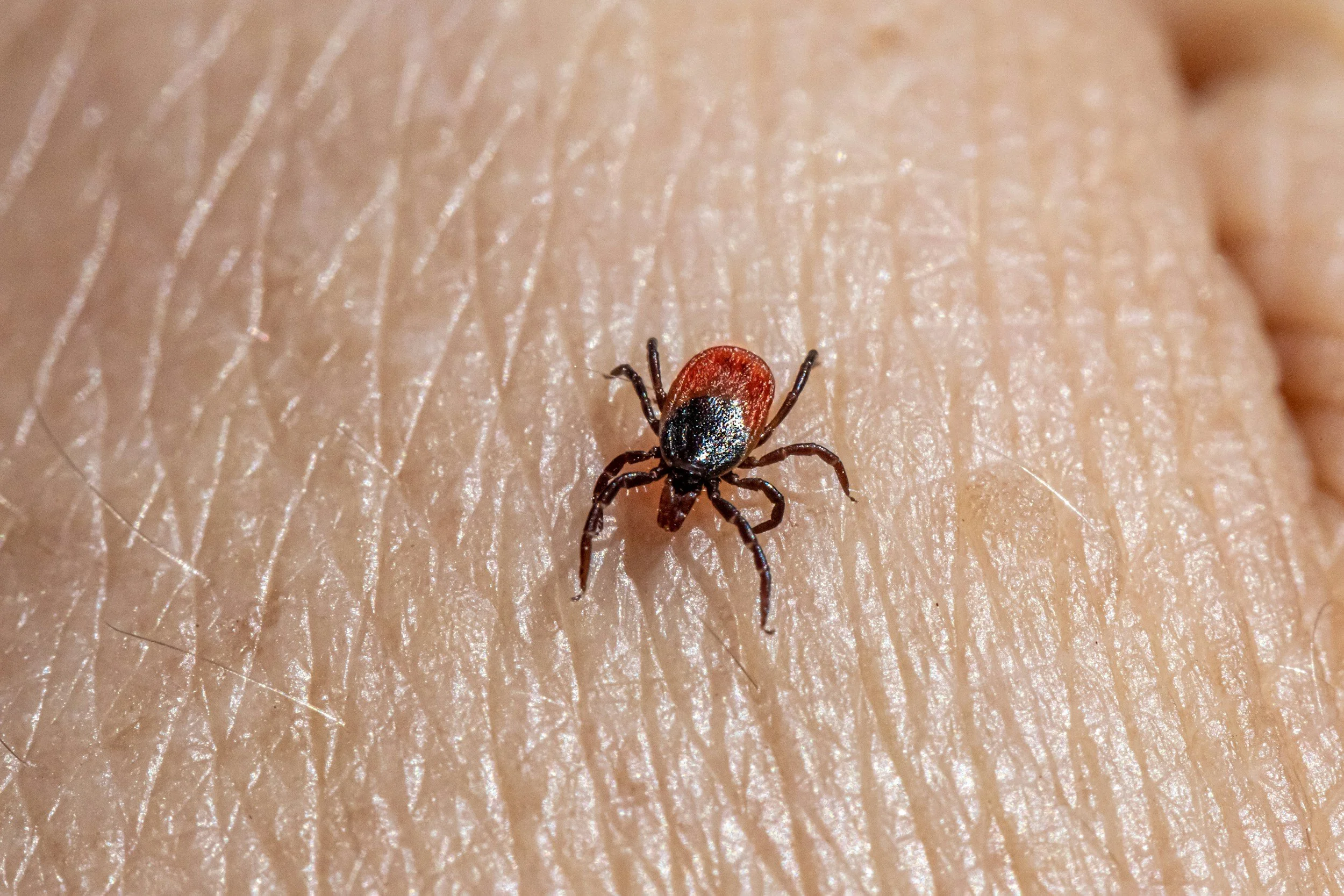
Ticks can carry a variety of pathogens, not just the bacteria that causes Lyme disease. While not every tick bite leads to illness, knowing what to watch for and when to seek care can make all the difference. In this article, we’ll walk through what happens after a tick bite, symptoms to monitor, how we test for infections, and the treatments available—including why early care is so important.
Lyme disease is caused by the bacterium Borrelia burgdorferi, transmitted through the bite of infected blacklegged ticks (deer ticks). One of the earliest signs can be a characteristic “bullseye” rash (erythema migrans), though not everyone develops or notices it. Other early symptoms may include fever, chills, fatigue, headache, muscle and joint aches, and swollen lymph nodes. Symptoms can begin anywhere from 3 to 30 days after a bite, which is why it’s important to remain vigilant even if you initially feel fine.
Beyond Lyme disease, ticks can transmit other infections such as Babesia (a parasite that infects red blood cells), Anaplasma, Ehrlichia, and Rocky Mountain Spotted Fever (RMSF). Babesia may cause malaria-like symptoms such as fevers, chills, sweats, and fatigue, sometimes weeks after exposure. Anaplasma and Ehrlichia often present with fever, headache, and muscle aches within 1–2 weeks. RMSF can be more severe and may include fever, rash, headache, and gastrointestinal symptoms—sometimes appearing within just a few days of a bite.
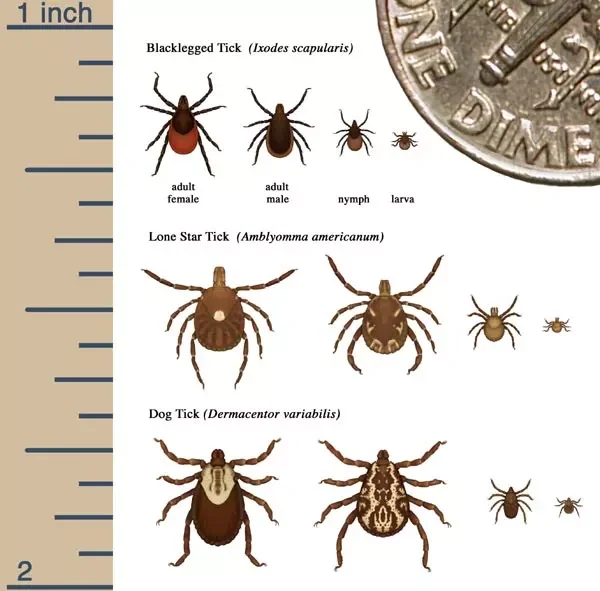
Another important condition associated with bites from the Lone Star Tick is Alpha-gal syndrome, a delayed allergic reaction to red meat caused by a sugar molecule transmitted by certain ticks (most commonly the Lone Star tick). Symptoms may include hives, gastrointestinal distress, or even anaphylaxis, often occurring several hours after eating red meat. This condition can develop weeks to months after a tick bite, making it more difficult to recognize without awareness.
One challenge with tick-borne illnesses is that symptoms can be delayed or vague, and multiple infections can occur from a single bite. That’s why saving the tick and having it analyzed at TickReport.com is so valuable—it can identify exactly which pathogens the tick may have been carrying, helping guide more precise care. Regardless of test results, we still recommend contacting us promptly after any known tick attachment.
When it comes to testing, traditional methods often rely on detecting antibodies your body produces in response to infection. However, these antibodies can take time to develop, sometimes leading to false negatives early on. For Lyme disease specifically, we also offer advanced testing such as the Galaxy Diagnostics Nanotrap test, which can detect the presence of the bacteria more directly and earlier in the course of illness. This can help us make faster, more accurate decisions about treatment.
Treatment depends on the specific infection but often includes antibiotics, especially when Lyme disease or bacterial co-infections are suspected. Early treatment is typically very effective and can prevent progression to more serious disease. However, if treatment is delayed, some patients may develop more persistent or complex symptoms.
It’s also important to acknowledge that some individuals experience ongoing symptoms after treatment for Lyme disease, sometimes referred to as Post-Treatment Lyme Disease Syndrome (PTLDS). These symptoms can include fatigue, joint pain, and cognitive difficulties. While research is ongoing, our approach is to support patients comprehensively and tailor care to their individual needs.
In summary, tick bites should never be ignored. If you find a tick attached: remove it, save it for testing at TickReport.com, and call Summit Direct Care immediately, even after hours. Watch for symptoms over the following days to weeks, and remember that early evaluation and treatment are key to the best outcomes. We’re here to help you navigate this with confidence and care.